
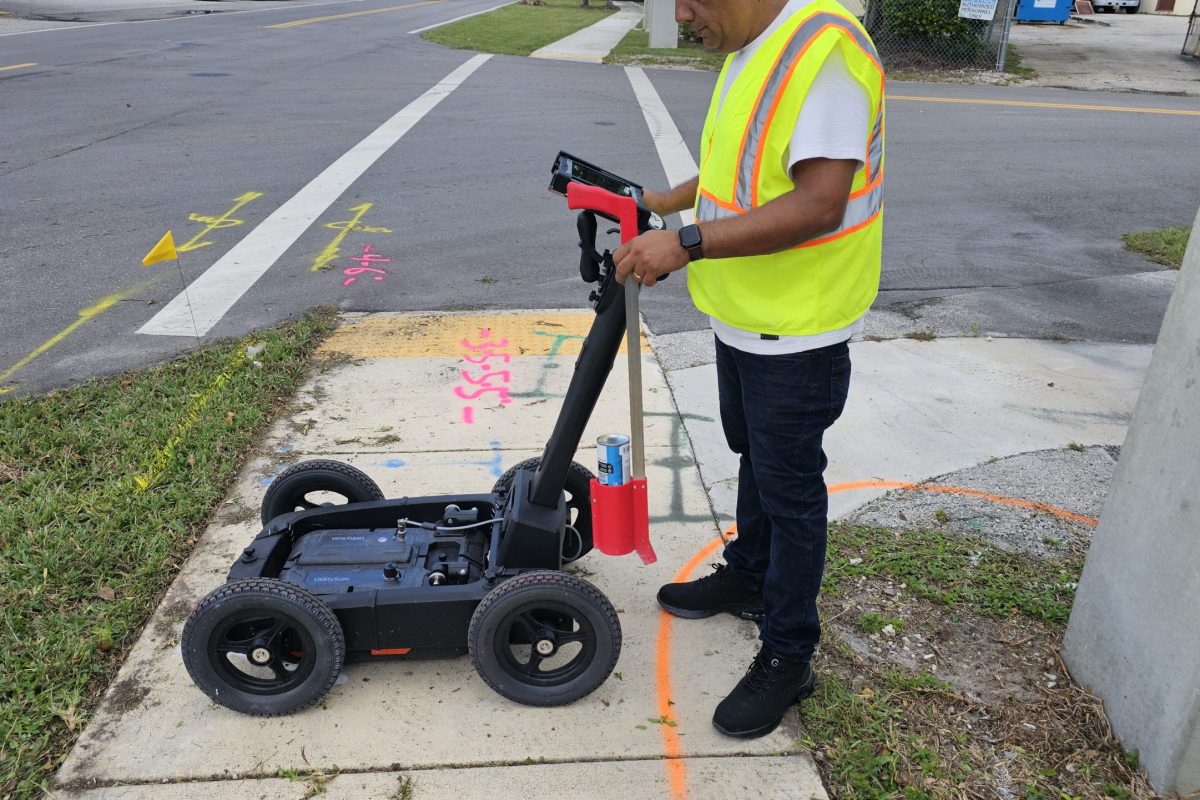
In the world of Florida construction and land development, the stakes are buried deep beneath the surface. Before a single trench is dug or a foundation is poured, understanding the subterranean landscape is paramount. Ground Penetrating Radar (GPR) has revolutionized the industry by providing a non-invasive look into the earth. However, as advanced as the technology is, the accuracy of a GPR scan depends heavily on the preparation that happens before the technician even arrives on-site. Before starting with your project, you may want to learn how to prepare for a GPR scan first.
At AM Florida Utility Contractors, we believe that a successful scan is a collaborative effort. By taking the right preparatory steps, you ensure that our GPR technicians can deliver the most precise data possible, ultimately protecting your budget, your timeline, and your crew’s safety.
Here is everything you need to know about preparing your site for a professional GPR scanning session.
1) Define Your Scope and Objectives
The first step in preparation isn’t physical—it’s informational. GPR is a versatile tool, but its settings and the approach of the technician vary depending on what you are looking for.
What are you searching for?
Are you looking for plastic PVC conduits, metallic water mains, underground storage tanks (USTs), or perhaps post-tension cables within a concrete slab?
What is the target depth?
GPR signals lose strength as they go deeper. Knowing if you need to scan 2 feet or 10 feet deep allows the technician to bring the correct antenna frequency.
Marking Requirements
Decide how you want the results delivered. Do you need marks placed directly on the ground with spray paint or flags, or do you require a digitized GPS map for your permanent records?
By clearly defining these goals with AM Florida Utility Contractors during the consultation phase, we can ensure we deploy the right equipment for your specific subsurface environment.
2) Clear the Survey Area
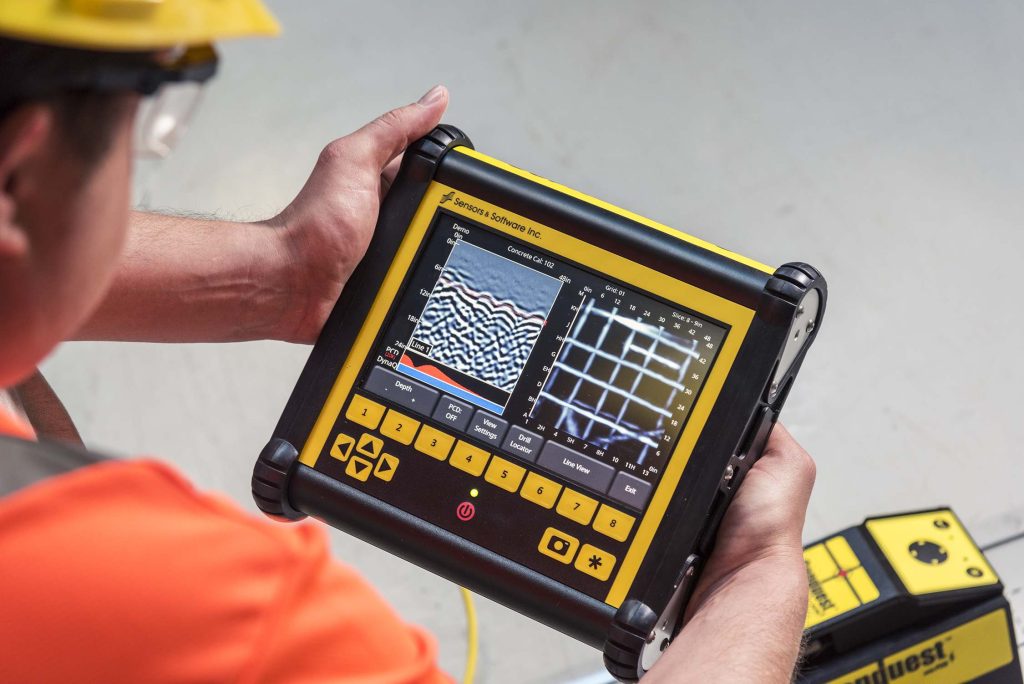
GPR units are typically housed on a cart or a handheld device that must maintain consistent contact with the surface. For the radar pulses to penetrate the ground effectively, the “path” must be as clear as possible.
Remove Debris
Clear away piles of lumber, scrap metal, gravel mounds, or construction waste.
Vegetation Control
On undeveloped lots, tall grass, thick brush, or heavy leaf litter can create “noise” in the radar data or physically prevent the GPR cart from moving in a straight line. Mowing the area prior to our arrival is highly recommended.
Clear Vehicles and Equipment
Ensure that trucks, excavators, and trailers are moved out of the designated scan zone. Every time a technician has to work around an obstacle, it creates a “blind spot” in the data.
3) Manage Surface Conditions and Moisture
Florida’s weather plays a significant role in GPR effectiveness. Because GPR uses electromagnetic waves, the conductivity of the soil matters immensely.
The Moisture Factor
Water is highly conductive. If the ground is saturated after a heavy Florida downpour, the radar signal may “bounce” off the surface or dissipate quickly, limiting the depth of the scan.
Standing Water
GPR cannot be performed through standing water or deep puddles. Ensure the site has had adequate time to drain after a storm.
Concrete Preparation
If we are scanning a concrete slab, the surface should be dry. If the concrete was recently poured (less than 28 days), the high moisture content in the curing process may inhibit the radar’s ability to see through the slab.
4) Gather Existing Site Records and Blueprints
While GPR is used to find the “unknown,” it works best when we have a baseline of the “known.” Even if you suspect that old site maps are inaccurate (which they often are), they provide a vital starting point.
As-Built Drawings
Provide any historical blueprints or previous utility maps.
Previous Utility Strikes
If the site has a history of utility hits, knowing those locations can help us identify repaired lines that may look different on the radar.
Utility Room Access
If the scan involves tracing lines from a building out to the street, ensure our technicians have access to mechanical rooms, electrical closets, or janitorial spaces where pipes and conduits enter the floor.
5) Address Subsurface Conductivity (Soil Type)
One of the unique challenges of working in Florida is our soil diversity. From the “sugar sand” of Central Florida to the clay-heavy soils in northern regions and the oolite limestone in the south, soil type dictates GPR performance.
Clay Content
Clay is highly conductive and can “blind” the GPR signal. If you know your site has heavy clay deposits, let us know in advance so we can adjust our equipment settings.
Metallic Interference
If the area is littered with surface metal (like rebar mesh or metal plates), it can interfere with the signal. Clearing what you can from the surface is essential.
6) Communication with On-Site Personnel
Safety and efficiency are increased when everyone on the job site is on the same page.
Safety Briefings
If your site requires specific PPE or a safety orientation, please coordinate this with us ahead of time so our team can arrive prepared.
Work Stoppage
In certain high-sensitivity scans (like concrete x-ray or GPR in active hospitals), it may be beneficial to temporarily halt heavy machinery nearby to reduce ground vibrations, though this is usually only necessary for the most delicate precision work.
Why Professional Preparation Matters
You might wonder: If I’m hiring experts, why do I need to do the legwork?
The answer lies in the quality of the data. GPR is a scientific process. By preparing the site, you reduce “signal-to-noise ratio” issues. When the path is clear and the objectives are defined, AM Florida Utility Contractors can move faster, cover more ground, and provide a 99% more accurate map of what lies beneath.
Poor preparation leads to “interpretation gaps,” where a technician might have to guess if a signal is a tree root or a gas line because they couldn’t get the equipment close enough to the target. Professional preparation eliminates that guesswork.
At AM Florida Utility Contractors, we don’t just show up and push a button. We act as your strategic partners in subsurface exploration. Our team of experts uses the latest GPR technology, but we combine it with years of “boots-on-the-ground” Florida construction experience.
We understand the local geology, the municipal codes, and the pressure of a construction deadline. By following this preparation guide, you enable us to do what we do best: protect your project from the high costs and safety risks of underground utility strikes.