
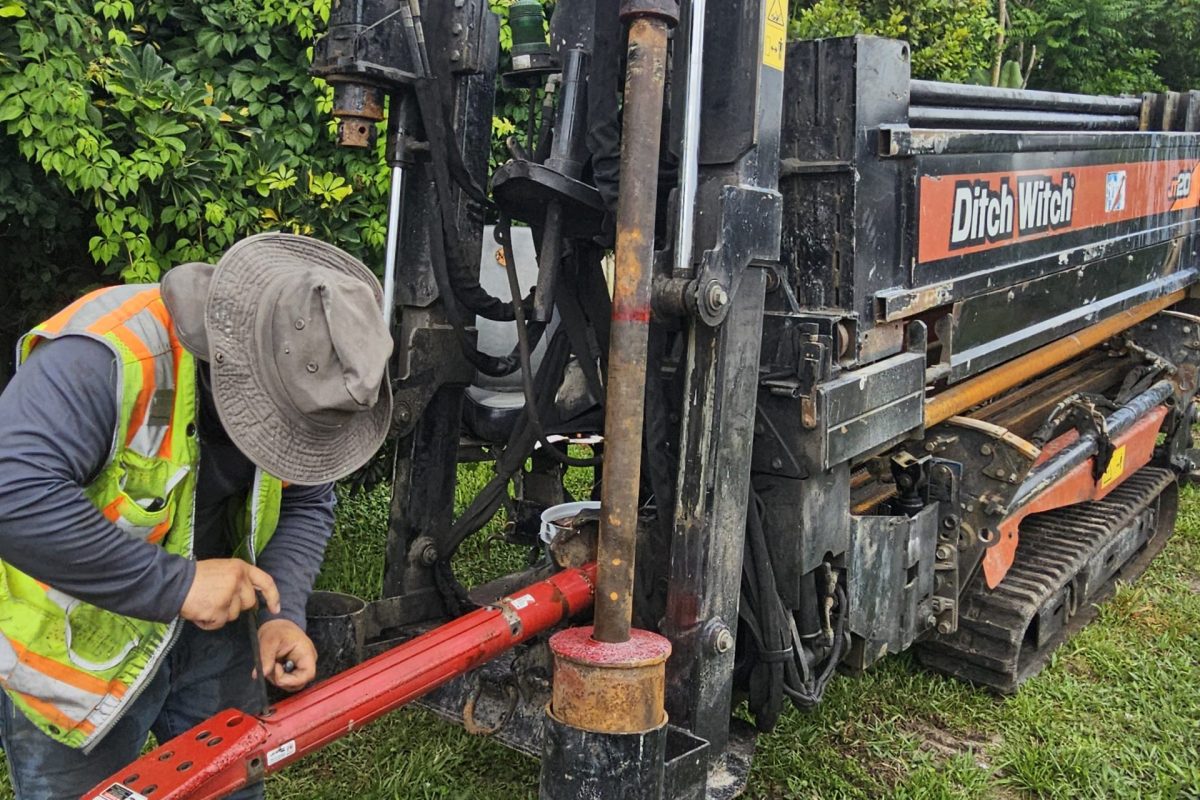
Horizontal Directional Drilling (HDD) has become one of the most efficient methods for installing underground utilities with minimal disruption to roads, landscaping, waterways, and existing infrastructure. Whether you’re installing water lines, sewer systems, electrical conduits, telecommunications infrastructure, or gas lines, HDD offers significant advantages over traditional open trench excavation.
However, one of the most common questions property owners, developers, municipalities, and contractors ask is, “How much does an HDD project cost?”
The answer isn’t always straightforward. Every horizontal directional drilling project is unique, and several factors influence the overall investment. From ground conditions and bore length to utility congestion and permitting requirements, understanding these variables can help you plan your project more effectively and avoid unexpected costs.
In this guide, we’ll explain the primary factors that affect horizontal directional drilling project costs, why pricing varies from one project to another, and how working with an experienced HDD contractor can help maximize value while minimizing project risks.
Understanding Horizontal Directional Drilling Costs
Unlike traditional excavation, HDD involves specialized equipment, advanced planning, utility locating, and precision drilling beneath the surface. Rather than simply digging a trench, contractors must design a safe bore path, navigate underground conditions, and accurately install utilities without disturbing the surrounding environment.
Because of this, HDD pricing is based on much more than just the length of the installation.
A contractor typically evaluates:
- Project complexity
- Site accessibility
- Underground conditions
- Existing utilities
- Required equipment
- Permit requirements
- Restoration needs
- Safety considerations
Each of these factors contributes to the total project cost.
1. Soil Conditions and Ground Composition
One of the biggest factors affecting HDD project costs is what’s beneath the surface.
Different soil types require different drilling techniques, tooling, drilling fluids, and equipment configurations.
Common ground conditions include:
- Sand
- Clay
- Silt
- Gravel
- Limestone
- Solid rock
- Mixed soils
Soft, consistent soils generally allow drilling to progress more efficiently. Rocky formations or mixed geological conditions can slow production, increase equipment wear, and require specialized drill heads or reaming tools.
Unexpected underground conditions may also require adjustments to the drilling plan, adding time and labor to the project.
This is why many HDD contractors recommend conducting geotechnical investigations before major installations.
2. Length of the Bore
In most cases, longer bores naturally require more labor, materials, drilling fluid, and equipment time.
However, project length isn’t the only consideration.
For example:
- A straightforward 800-foot bore through clean soil may be completed more efficiently than
- A 250-foot bore beneath a congested roadway filled with existing utilities.
Both distance and complexity influence project pricing.
Longer bores may also require larger drilling rigs, additional support equipment, and more extensive planning.
3. Bore Diameter and Utility Size
The size of the utility being installed significantly impacts HDD costs.
Larger pipelines require:
- Larger drill rigs
- Larger reamers
- Multiple reaming passes
- Increased drilling fluid
- Additional pullback force
Installing a small telecommunications conduit differs greatly from installing a large water main or force main.
As pipe diameter increases, so do equipment requirements, material handling, and overall project complexity.
4. Existing Underground Utilities
Utility congestion is one of the biggest challenges for any underground construction project.
Before drilling begins, contractors must identify and verify the location of existing:
- Water mains
- Sewer lines
- Gas lines
- Electrical conduits
- Fiber optic cables
- Storm drainage systems
- Telecommunications infrastructure
Accurately locating these utilities often requires Ground Penetrating Radar (GPR), utility locating services, utility records, and field verification.
The more congested the underground environment, the more careful the drilling process becomes.
Avoiding utility strikes protects workers, prevents costly repairs, and helps keep projects on schedule.
5. Project Location
Location can significantly influence HDD costs.
Projects located in urban environments often involve:
- Heavy traffic
- Limited work space
- Utility congestion
- Noise restrictions
- Tight drilling tolerances
Meanwhile, rural projects may require:
- Equipment transportation
- Temporary access roads
- Longer mobilization distances
Certain locations may also require traffic control, police coordination, or environmental monitoring.
Each of these logistical considerations affects the overall project budget.
6. Accessibility of the Job Site
Some drilling sites are easy to reach with heavy equipment.
Others present unique challenges.
Limited access may require:
- Smaller equipment
- Additional setup time
- Specialized transport
- Temporary work platforms
- Crane assistance
- Alternative drilling approaches
If equipment cannot be positioned efficiently, project productivity may decrease, resulting in higher labor costs.
7. Utility Crossing Requirements
Many HDD projects involve crossing beneath obstacles without disturbing the surface.
Examples include:
- Highways
- Railroads
- Rivers
- Canals
- Wetlands
- Parking lots
- Commercial developments
Crossing beneath these structures often requires:
- Greater drilling accuracy
- Longer bore paths
- Specialized engineering
- Additional permitting
- Environmental compliance
These requirements naturally increase project complexity and overall cost.
8. Permits and Regulatory Requirements
Depending on the project location, HDD installations may require permits from local, county, state, or federal agencies.
Permit requirements may include:
- Road crossing permits
- Environmental permits
- Utility coordination
- Right-of-way approvals
- Municipal inspections
Obtaining permits takes time and administrative effort, which should be factored into project planning.
Working with an experienced contractor familiar with local regulations can help streamline the approval process.
9. Drilling Fluid Management
Drilling fluid (often called drilling mud) plays an essential role in HDD operations.
It helps:
- Stabilize the borehole
- Remove drill cuttings
- Reduce friction
- Cool drilling tools
- Support successful pipe installation
The volume of drilling fluid required depends on:
- Bore length
- Soil conditions
- Pipe size
- Groundwater conditions
Proper drilling fluid recycling, containment, and disposal may also be necessary depending on environmental regulations.
10. Equipment Requirements
Not every HDD project uses the same drilling rig.
Equipment selection depends on:
- Bore length
- Pipe diameter
- Soil conditions
- Pullback force
- Site access
Larger, more complex projects may require:
- High-capacity HDD rigs
- Vacuum excavation equipment
- Mud recycling systems
- Support excavators
- Water trucks
- Utility locating equipment
Mobilizing specialized equipment contributes to overall project costs but ensures the work is completed safely and efficiently.
11. Environmental Considerations
Environmental protection is an important component of many HDD installations.
Projects near:
- Wetlands
- Lakes
- Rivers
- Protected habitats
- Conservation areas
may require additional environmental planning, monitoring, and erosion control measures.
Contractors may also need contingency plans to address inadvertent drilling fluid returns (commonly referred to as “frac-outs”) while protecting surrounding ecosystems.
Environmental compliance adds planning costs but helps prevent costly regulatory issues later.
12. Project Timeline
Schedule requirements also influence HDD pricing.
Projects requiring:
- Accelerated completion
- Weekend work
- Night work
- Emergency response
- Overtime labor
typically cost more than projects with flexible timelines.
Early planning often provides greater scheduling flexibility and can help reduce unnecessary expenses.
13. Engineering and Pre-Construction Planning
Successful HDD projects begin long before the drill rig arrives.
Pre-construction planning often includes:
- Utility locating
- Ground Penetrating Radar (GPR) scanning
- Surveying
- Bore path design
- Risk assessment
- Traffic management planning
- Utility coordination
- Engineering review
Although these services represent an upfront investment, they help reduce construction delays, avoid utility conflicts, and improve overall project efficiency.
Why Choosing an Experienced HDD Contractor Matters
While it may be tempting to compare contractors based solely on price, the lowest bid doesn’t always deliver the best value.
An experienced HDD contractor understands how to:
- Evaluate underground conditions
- Select the right drilling equipment
- Plan efficient bore paths
- Navigate congested utility corridors
- Minimize environmental impact
- Reduce project risks
- Complete installations safely and accurately
Proper planning and execution can prevent costly delays, utility damage, and unexpected change orders.
Partner with AM Utility Contractors for Reliable HDD Services
Every horizontal directional drilling project presents its own unique challenges. Factors such as ground conditions, utility congestion, permitting requirements, project length, and equipment needs all influence the final cost.
At AM Utility Contractors, our experienced team carefully evaluates every project to develop efficient, cost-effective HDD solutions tailored to your specific utility installation needs. From initial planning and utility locating to precision drilling and project completion, we focus on delivering safe, reliable underground infrastructure with minimal surface disruption.
Whether you’re installing water, sewer, electrical, telecommunications, or other underground utility systems, we’re committed to helping your project stay on schedule and within budget.
Contact us today to discuss your upcoming horizontal directional drilling project and request a customized project evaluation.
Frequently Asked Questions
What is the biggest factor affecting horizontal directional drilling project costs?
Ground conditions are often the biggest cost factor. Soil type, rock formations, groundwater, and underground obstacles can affect drilling speed, equipment requirements, and overall project complexity.
Is horizontal directional drilling more expensive than traditional trenching?
Not always. While HDD may have higher upfront drilling costs, it often reduces expenses related to surface restoration, traffic disruptions, landscaping repairs, and environmental impacts, making it a cost-effective solution for many projects.
Can existing underground utilities increase HDD project costs?
Yes. Projects with numerous existing utilities require additional locating, planning, and careful drilling to avoid damaging underground infrastructure, which can increase both time and project costs.